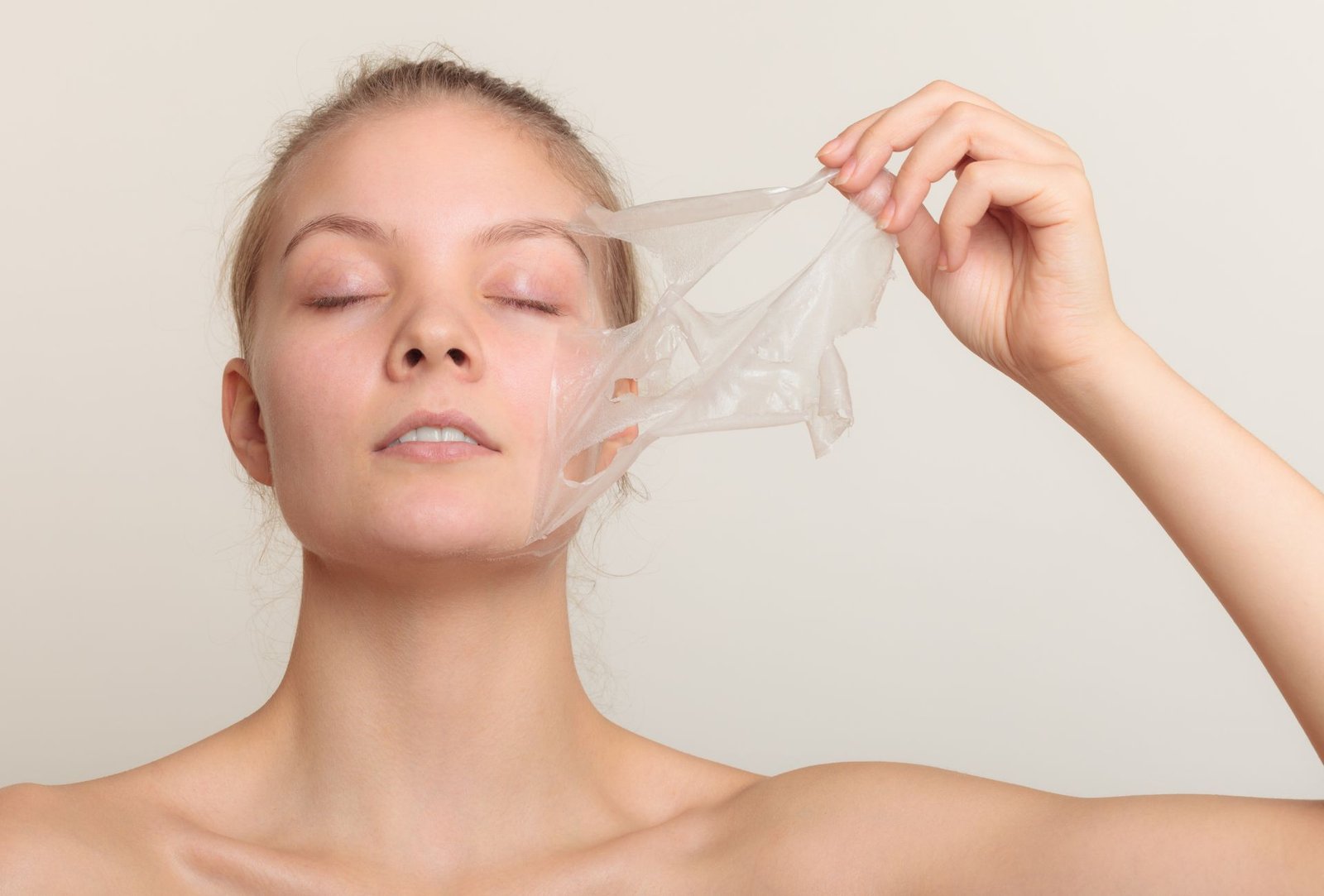
Chemical Peels
Fresh skin is just one week away.
Sometimes your skin just needs a clean slate.
Between sun exposure, breakouts, stress, and the natural process of aging, dead skin cells build up on the surface faster than your skin can shed them on its own. The result is dullness, uneven tone, congested pores, and a complexion that just looks tired no matter how much you invest in your skincare routine at home.
A chemical peel clears all of that out of the way and gives your skin permission to start fresh.
How It Works
A chemical peel works by applying a carefully formulated solution to the skin that causes the outermost layers to exfoliate and shed. As those layers peel away they take hyperpigmentation, sun damage, acne scarring, and dull uneven texture with them. What is left underneath is new, smoother, brighter skin that has been waiting beneath the surface all along.
Peels can be performed on the face, neck, and hands and are one of the most effective ways to address multiple skin concerns in a single treatment.
The VI Peel
At The Art of Beauty we offer the VI Peel, one of the most trusted and results driven medium grade peels in aesthetic medicine.
The VI Peel is designed to target:
✦ Hyperpigmentation and uneven skin tone
✦ Sun damage and age spots
✦ Active acne and post acne scarring
✦ Fine lines and wrinkles
✦ Overall skin texture and dullness
✦ Melasma
What makes the VI Peel stand out is that it is safe and effective for all skin tones and skin types, including darker complexions that need to be treated more carefully with resurfacing treatments. There is no guesswork here, just a proven formula that delivers real visible results.
What To Expect
Your treatment takes approximately forty minutes and the actual peeling process begins within a few days. By about day four to seven you will start to see fresh new skin emerging and the full results continue to improve over the following weeks.
Most clients notice a visible difference in texture, tone, and brightness within one week of their treatment.
For best results the VI Peel is recommended a series of three peels four weeks apart, followed by bi-yearly treatments depending on your skin concerns and goals. It pairs beautifully with microneedling and other treatments as part of a comprehensive skin health plan.
Is There Downtime?
There is peeling, which is the point. Plan for five to seven days of shedding skin, some tightness, and sensitivity. It is not the most glamorous week of your life but what comes after it is absolutely worth it.
Sun protection is completely non-negotiable during and after your peel. Your skin is brand new and highly vulnerable to UV damage and pigmentation. SPF every single day, no exceptions.
We will send you home with everything you need and detailed instructions so you know exactly what to expect day by day.
Frequently Asked Questions
[tcb-script type=”application/ld+json”]{ “@context”: “https://schema.org”, “@type”: “FAQPage”, “mainEntity”: [ {“@type”: “Question”, “name”: “How much does a chemical peel cost?”, “acceptedAnswer”: {“@type”: “Answer”, “text”: “A single chemical peel session typically costs between $150 and $300 at most medical spas, with pricing scaled to the peel’s depth and the specific formula used. Multi-session packages usually offer a lower per-session rate than booking peels individually. Exact pricing varies by provider and treatment plan, so your provider will confirm cost at consultation.”}}, {“@type”: “Question”, “name”: “What’s the difference between light, medium, and deep chemical peels?”, “acceptedAnswer”: {“@type”: “Answer”, “text”: “Light (superficial) peels exfoliate only the outermost skin layer and involve little to no downtime, making them suited to mild tone and texture concerns. Medium-depth peels reach the upper dermis and address pigmentation, fine lines, and acne scarring, typically with several days of visible peeling. Deep peels penetrate furthest for the most dramatic, longest-lasting results but require the most recovery time and are used far less frequently. The right depth depends on your specific skin concerns, which a provider will assess in consultation.”}}, {“@type”: “Question”, “name”: “Can I get a chemical peel while pregnant or breastfeeding?”, “acceptedAnswer”: {“@type”: “Answer”, “text”: “Chemical peels are generally not recommended during pregnancy or breastfeeding, since several common peel acids and retinoid-based prep products haven’t been established as safe in these conditions. Some very gentle, non-acid options may be appropriate, but this should be confirmed with both your provider and OB-GYN beforehand. Never book a peel during pregnancy without medical clearance first.”}}, {“@type”: “Question”, “name”: “Is a chemical peel a good choice if I have active acne or rosacea?”, “acceptedAnswer”: {“@type”: “Answer”, “text”: “Certain chemical peels can help manage active acne by clearing clogged pores and reducing oil, but active rosacea often calls for a gentler approach since stronger acids can trigger flare-ups and prolonged redness. Candidacy depends on the severity of the condition and which acid concentration is used. A consultation is the best way to confirm whether your skin is ready for a peel now or needs calming pre-treatment first.”}}, {“@type”: “Question”, “name”: “Should I book a chemical peel before a big event like a wedding?”, “acceptedAnswer”: {“@type”: “Answer”, “text”: “Chemical peels should be scheduled at least 2 to 4 weeks before a major event, since visible peeling and redness typically last several days depending on the peel’s depth. Booking closer to the date risks visible flaking or redness on the day itself. A test peel well in advance of a milestone event also lets you confirm how your skin reacts before committing to a pre-event schedule.”}}, {“@type”: “Question”, “name”: “What should I avoid in the days before a chemical peel appointment?”, “acceptedAnswer”: {“@type”: “Answer”, “text”: “In the days before a chemical peel, avoid retinoids, exfoliating acids, waxing, and direct sun exposure, since all of these increase skin sensitivity and irritation risk. Most providers recommend pausing active skincare ingredients for 3 to 5 days beforehand. Skin should also be free of makeup and other products on the day of treatment. Your provider will give a specific pre-care checklist based on the peel being used.”}}, {“@type”: “Question”, “name”: “Is a chemical peel better than laser resurfacing for pigmentation?”, “acceptedAnswer”: {“@type”: “Answer”, “text”: “Chemical peels and laser resurfacing both treat pigmentation and texture but through different mechanisms: peels use acids to chemically exfoliate the skin’s surface, while lasers use targeted light energy to break down pigment and stimulate deeper collagen remodeling. Peels typically cost less per session and involve shorter downtime, while lasers can produce more precise, longer-lasting correction in fewer total sessions for some concerns. The better option depends on skin type, the depth of the pigmentation, and downtime tolerance. A provider consultation can match the right technology to your specific case.”}}, {“@type”: “Question”, “name”: “Can I combine a chemical peel with other treatments like microneedling or Botox?”, “acceptedAnswer”: {“@type”: “Answer”, “text”: “Chemical peels are often paired with treatments like microneedling or injectables as part of a broader skin plan, but peels and microneedling generally shouldn’t be done in the same session since both create controlled surface trauma and stacking them raises irritation risk. Providers typically space these two treatments two to four weeks apart. Botox and filler appointments can usually be scheduled around a peel with the right spacing. Full treatment goals should be discussed at consultation so a provider can sequence everything safely.”}}, {“@type”: “Question”, “name”: “Why does skin sometimes look worse before it looks better after a chemical peel?”, “acceptedAnswer”: {“@type”: “Answer”, “text”: “A short-term “purging” phase is common after a chemical peel, as faster cell turnover pushes trapped debris and micro-breakouts to the surface ahead of schedule. This differs from an allergic reaction or irritation and typically resolves within one to two weeks as new skin fully surfaces. Flaking, mild redness, and temporary dullness during this window are an expected part of healing, not a sign something went wrong. Excessive swelling or discomfort beyond what’s typical for the peel type should be reported to your provider.”}}, {“@type”: “Question”, “name”: “How do chemical peels actually stimulate new collagen production?”, “acceptedAnswer”: {“@type”: “Answer”, “text”: “Chemical peels work by using acids to break the bonds holding damaged, dead skin cells together, causing that outer layer to shed faster than the skin’s natural cycle. This controlled exfoliation signals the deeper dermis to increase cell turnover and collagen synthesis as part of the healing response. Medium and deeper peels reach further into the skin and generally stimulate more collagen than light peels. Visible results build gradually over several weeks as new collagen forms.”}} ]}[/tcb-script]
Not sure which peel is right for your skin or whether a chemical peel is the best starting point for your concerns? Come in for a free consultation and we will take a close look at where your skin is right now and what it actually needs.
__CONFIG_colors_palette__{“active_palette”:0,”config”:{“colors”:{“62516”:{“name”:”Main Accent”,”parent”:-1}},”gradients”:[]},”palettes”:[{“name”:”Default Palette”,”value”:{“colors”:{“62516”:{“val”:”var(–tcb-skin-color-0)”}},”gradients”:[]}}]}__CONFIG_colors_palette__ Book An Appointment